

oval backlit mirror
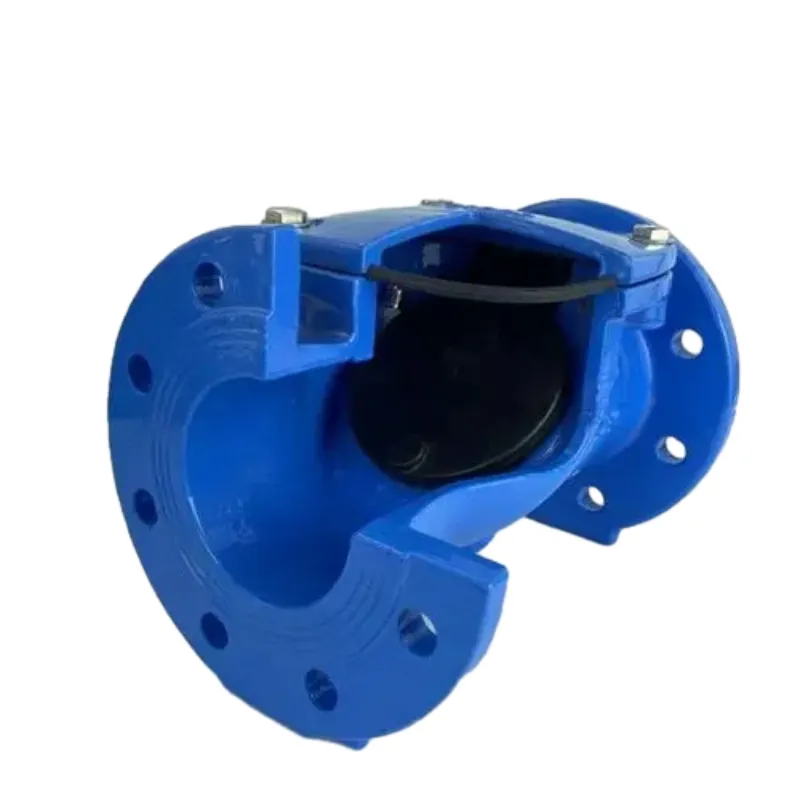
Understanding the 1 Way Check Valve A Vital Component in Fluid Control Systems A 1 way check valve, also known as a unidirectional valve or non-return valve, plays a crucial role in various fluid control systems. This ingeniously designed component is primarily used to allow fluid flow in one direction while preventing it from flowing back in the opposite direction. Its functionality is critical for maintaining system integrity and preventing backflow, which can lead to contamination, equipment damage, or even system failure. The '1 way' in the term refers to the valve's single port design, meaning it has one inlet and one outlet. Unlike a two-way valve that allows fluid to flow in both directions, a 1 way check valve ensures a unidirectional flow. The valve opens when the fluid pressure exceeds a certain threshold, allowing the fluid to pass through. Once the flow direction reverses, the valve automatically closes, thereby preventing backflow. The operation of a 1 way check valve is based on a simple yet effective mechanism. It typically consists of a valve body, a spring, and a disc or a ball. When fluid flows in the intended direction, it pushes the disc or ball against the force of the spring, opening the valve. Conversely, when the flow attempts to reverse, the spring's force keeps the valve closed, stopping the fluid from flowing back Conversely, when the flow attempts to reverse, the spring's force keeps the valve closed, stopping the fluid from flowing back Conversely, when the flow attempts to reverse, the spring's force keeps the valve closed, stopping the fluid from flowing back Conversely, when the flow attempts to reverse, the spring's force keeps the valve closed, stopping the fluid from flowing back 1 way check valve . These valves find applications in a myriad of industries, including oil and gas, chemical processing, water treatment, and pharmaceuticals. They are often installed in pumps to prevent pump cavitation, in pipelines to protect against backpressure, and in pressure vessels to maintain system pressure. One of the key advantages of the 1 way check valve is its simplicity. Its straightforward design makes it less prone to malfunction and easier to maintain compared to more complex valve designs. However, it is essential to choose the right type of check valve based on the specific application requirements, such as fluid properties, pressure ratings, and flow rates. In conclusion, the 1 way check valve is an indispensable element in fluid control systems, ensuring the safe and efficient flow of fluids. Its ability to prevent backflow not only safeguards the system but also contributes to process reliability and longevity. Despite its seemingly simple function, the role it plays in maintaining system integrity cannot be overstated. As technology advances, we can expect further innovation in the design and materials of these valves, enhancing their performance and suitability for diverse industrial applications.
about
oval backlit mirror
The Precision of Micrometers An Essential Tool in Engineering and Manufacturing Micrometers, often referred to as micrometer screws, are precision measuring instruments used extensively in various fields such as engineering, manufacturing, and scientific research. These devices are crucial for ensuring accurate measurements of objects, often down to a fraction of a millimeter. The significance of micrometers lies in their ability to provide precise measurements, which are essential for maintaining quality control and ensuring that components meet specified tolerances. Micrometers function based on the principle of a screw mechanism, wherein a rotational movement translates into linear movement. This design allows for highly accurate readings, typically ranging from 0.01 mm to 0.001 mm, depending on the type of micrometer. The most common type is the outside micrometer, which measures the external dimensions of an object. There are also inside micrometers for internal measurements and depth micrometers for measuring depth. The precision of a micrometer can be attributed to several key factors, including the material from which it is made, the quality of its manufacturing, and the calibration techniques applied. High-quality micrometers are often constructed from hardened steel or other durable materials that resist wear and maintain their accuracy over time. Furthermore, precise manufacturing processes ensure that the screw threads and measuring faces are perfectly aligned, allowing for accurate measurements without parallax error. the precision of micrometer Calibration is another critical aspect of maintaining the precision of micrometers. Regular calibration against known standards is necessary to ensure that measurements remain accurate . Many professional environments have dedicated calibration equipment to verify the accuracy of their measuring instruments. This step is essential, as even minor deviations can lead to significant errors in manufacturing processes, ultimately affecting product quality and performance. In addition to their mechanical design, modern technology has introduced digital micrometers that offer enhanced precision and ease of use. Digital displays provide easy-to-read measurements and often include additional features, such as data logging and conversion between measurement units. These advancements make digital micrometers particularly appealing in high-precision applications, where users require quick and accurate readings without the potential for human error associated with analog scales. Despite their advantages, users must be adequately trained in the proper use of micrometers to ensure accurate measurements. Factors such as improper handling, environmental conditions, and user technique can all impact the precision of readings. For example, applying excessive force when closing the measuring faces can distort the object being measured, leading to inaccurate results. In conclusion, the precision of micrometers is fundamental to various industries that rely on accurate measurements for product development and quality assurance. From their mechanical design to the necessity of regular calibration and user training, every aspect contributes to the effectiveness of these instruments. As technology continues to evolve, the role of micrometers will remain vital, ensuring that standards of precision are met in an increasingly complex manufacturing landscape. Their significance as an indispensable tool underscores the relationship between precision measurement and successful engineering and manufacturing practices.
-

High quality industrial productsagement

High quality industrial products
View Details -

Meet the diverse needs of customers

Meet the diverse needs of customers
View Details -

Strict quality control

Strict quality control
View Details -

Top raw materials

Top raw materials
View Details -

Trusted supplier

Trusted supplier
View Details
Our application


news and information

which way to turn off water valve
Turning off a water valve might seem like a straightforward task, but understanding the nuances can
Versatile 3x4 Welding Table for Precision Projects and Durable Fabrication
3x4 welding table .

V Blocks Available for Purchase at Competitive Prices
Exploring V Blocks for Sale A Comprehensive Guide In the ever-evolving landscape of technology and
 English